Why Do Apples in Thailand Taste Different
After moving to Thailand, one of the first things I noticed was that apples tasted different from the ones I was used to eating in China.
Many apples sold in Thai supermarkets are smaller, firmer, and noticeably more tart. Some varieties even leave a slightly bitter or astringent aftertaste, which was surprising because I had always associated apples with sweetness.
This article is based on my personal observations while living in Thailand and comparing apples available in Thailand, China, and the Philippines.
Thailand's tropical climate is not ideal for large-scale apple production.
As a result, most apples sold in Thailand are imported from countries such as New Zealand, China, the United States, Australia, and Chile.
Core Climate Limitation: Thailand is hot year-round, making apple cultivation impossible in plains areas.
Very Limited Experimental Cultivation: A very small amount of experimental cultivation is conducted in the high-altitude mountainous regions of northern Thailand (such as the Royal Planning Development Center in Chiang Mai and Chiang Rai) due to lower nighttime temperatures.
Yield and Quality: These high-altitude apples have extremely low yields, are small, and have a sour and astringent taste. They are typically sold locally as specialty agricultural products or for agritourism and cannot enter the mainstream market.
High Dependence on Imports: Almost all apples in the Thai market are imported, primarily from China, the United States, New Zealand, Japan, and Australia.
Apples purchased in local markets are very small and have a "seawater/salty" taste.
- Most Suspected: "Sea Breeze Red Apples" (such as Royal Gala or Jazz) from New Zealand/France have long been prevalent in Thai supermarkets (such as Lotus's and Gourmet Market), often large quantities of small apples from New Zealand, Chile, and France. Why are they so small? New Zealand Gala or Jazz apples are generally small by commercial standards, typically containing 5-6 apples per bag, only about half the size of a woman's fist. Why do they have a "seawater/ocean flavor"? Maritime climate cultivation: The main apple-producing regions of New Zealand and France (such as Hawkes Bay in New Zealand) have a temperate maritime climate, with orchards very close to the coastline. The constant sea breezes create a trace amount of salt in the air, which settles on the natural waxy layer of the fruit's skin. The "musty smell" of shipping containers: These apples arrive in Thailand from the Southern Hemisphere or Europe after weeks of sea freight (in shipping containers). 1. If cold chain packaging materials (such as paper trays and plastic films) absorb the salty air from seawater in the closed and humid environment of sea transport, this "sea container taste/salty taste" will be deeply locked onto the apple's skin.
- Suspect Two: Chilean or Australian "Green Apples" (Granny Smith) If the small apples you buy are pure green, very sour, and have firm flesh, they are most likely from Chile, Australia, or South Africa. Strange taste: Because these green apples are naturally extremely sour, the skin has a strong tannin astringency and herbal flavor. For people accustomed to Asian sweet apples, this sourness is often misinterpreted by the brain as a salty, astringent taste "similar to seawater, seaweed, or minerals."
- Suspect Three: "Snack Bag Pocket Apples" (Rockit Apples) from High-End Supermarkets If you bought them in a high-end supermarket in Thailand (such as Tops Premium, Central Food Hall), there are small apples packaged in long plastic tubes like tennis ball tubes, which are relatively expensive. Features: This is a Rockit apple cultivated in New Zealand, naturally only the size of a golf ball, and its main selling point is that it can be eaten directly without peeling.
Source of the strange taste: To ensure its long-term freshness in the plastic tube, it undergoes rigorous ozone water cleaning and a special food-grade preservative wax coating before packaging. If this industrial preservative wax is not thoroughly washed off, it will have a strange, slightly salty taste, similar to "seawater/chemicals/plastics." 💡 Suggestion: You can try vigorously scrubbing the apple peel with warm water and a little baking soda or flour. If the "seawater taste" disappears after washing, it means the taste is just residual preservative wax or sea dust on the peel; if it's still there, it's the inherent mineral flavor of this Western variety.
After checking the packaging, I discovered that many of the apples I had purchased were Pink Lady apples.
Pink Lady is an internationally recognized apple brand originally developed in Australia and now grown in several countries, including Australia, New Zealand, Chile, and South Africa.

Compared with the large Fuji apples commonly sold in China, Pink Lady apples are usually smaller and have a more pronounced balance between sweetness and acidity. Their firmer texture and stronger acidity can sometimes create a slightly tart or astringent sensation for people who are more accustomed to sweeter apple varieties.
This apple is very popular throughout Thailand, but honestly, it doesn't taste very good. I usually store it in the refrigerator for about two weeks, and it has a very strange, bitter taste when you take it out after putting it in the refrigerator.
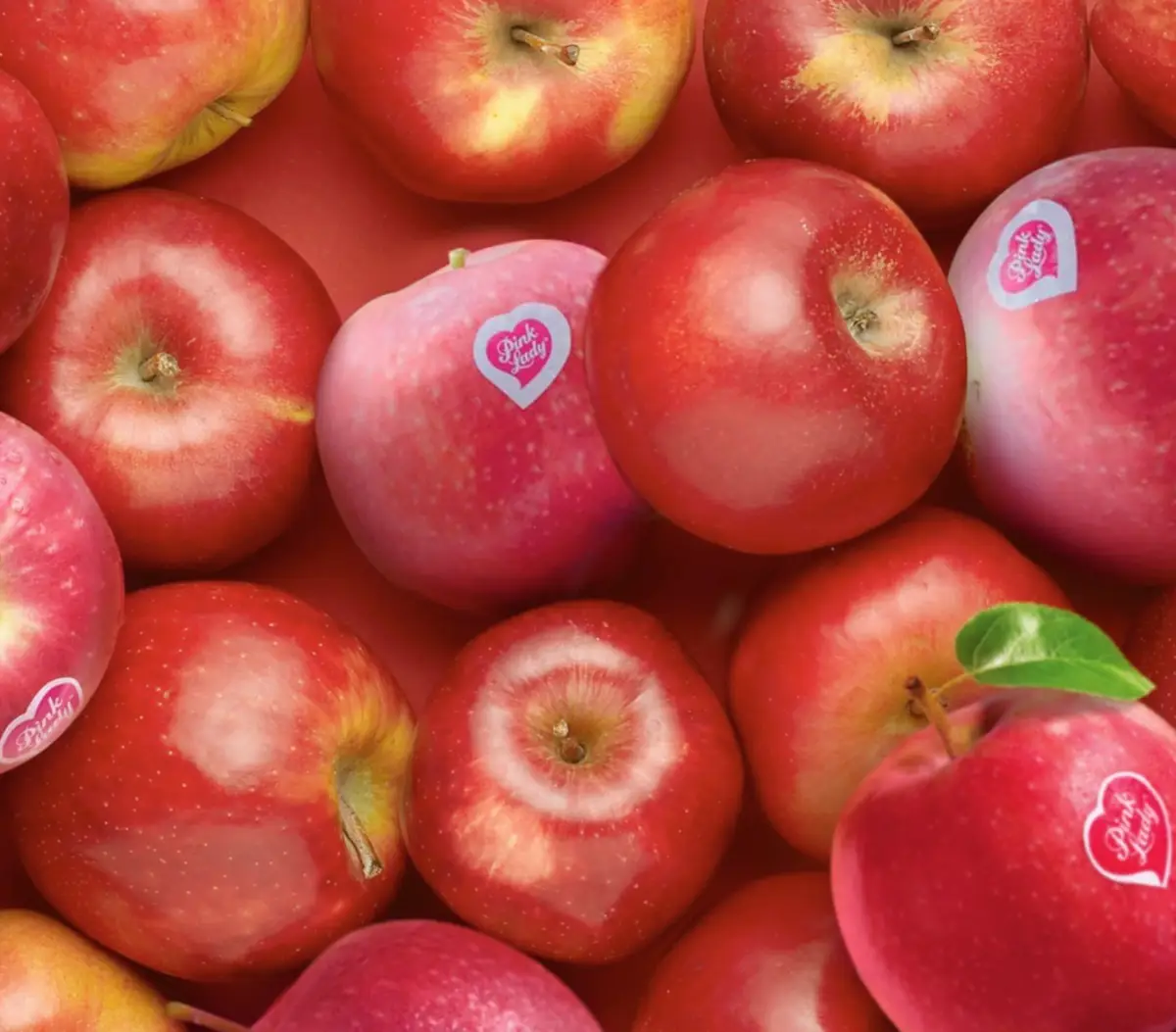
This variety perfectly explains all the "strange" characteristics I've noticed:
- Why is it so small? It's not a Chinese apple: Pink Lady isn't strictly a common "variety name," but an internationally registered trademark. It originated in Australia (selected from the Cripps Pink variety) and is now widely grown in Australia, New Zealand, France, Chile, and South Africa. Strict commercial grading: Pink Lady apples exported to Thai supermarkets (with these resealable bags) are usually packaged with smaller-sized fruits to control the total price and promote a more affordable approach.
- Why does it have a noticeable "seawater/salty" taste? This isn't my perception, but rather due to the two core scientific reasons behind this variety:
Reason 1: It naturally has "extremely high tannins and high acidity." The biggest characteristic of Pink Lady is its extremely high balance of sweet and sour (even leaning towards acidity). Its tannin and fruit acid content is much higher than that of Asian Fuji apples. When this high-acid, high-tannin juice comes into contact with the taste buds on the sides of the tongue, it produces a strong astringent (bitter) and mineral sensation. For those accustomed to sweet Chinese apples, the unique flavor of this Western variety is often instinctively translated by the brain as "seawater taste" or "salty and astringent taste."
Reason Two: Sea Freight Preservative Wax and Sea Freight Smell Pink Lady apples bought in Thailand are most likely from New Zealand or Chile. Due to the extremely long international sea voyages, the fruit is sprayed with a layer of food-grade plant-based preservative wax after harvesting to lock in moisture. If the shipping container drifts in the Pacific Ocean for weeks, the preservative wax on the packaging and peel can easily absorb the humid, slightly salty air inside the container (sea freight smell).
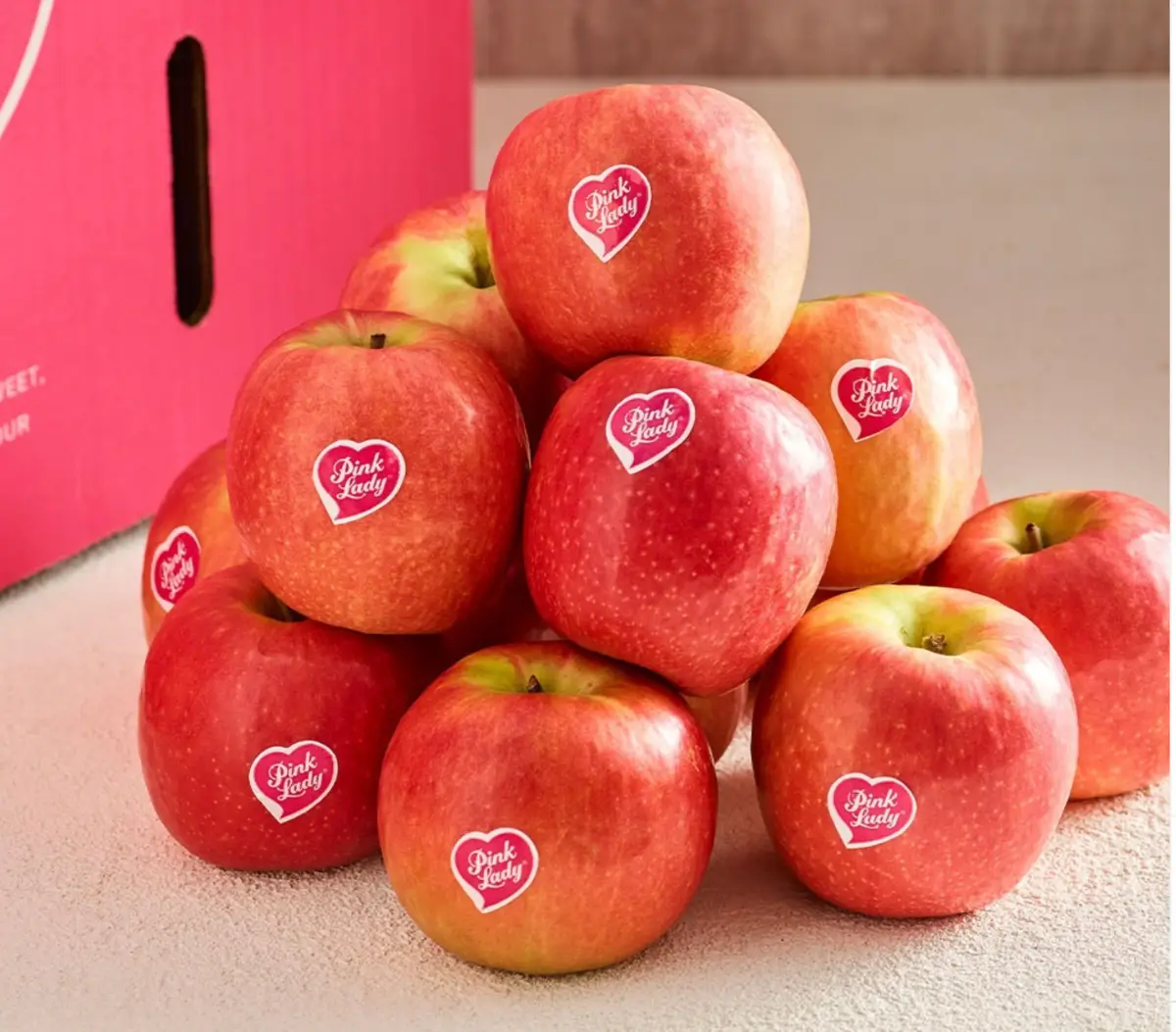
💡 Eating Tips: Peel Thoroughly: 90% of that "seawater taste/strange smell" is attached to the apple peel coated with preservative wax. It is recommended to peel the apple thoroughly and only eat the flesh inside.
Leave at room temperature for two days: This type of apple is very durable for storage. If you find it too sour or astringent and strange to eat now, you can leave it at room temperature for another 2-3 days to allow the sugars to further transform, greatly reducing the sourness and "seawater taste," making it crisper and sweeter. Wash and peel one to see if the flesh has returned to its normal sweet, sour, and crisp texture.
In the Philippines, I've mostly eaten New Zealand and American apples, and they don't seem to have that bitter taste; they have a soft, creamy texture. There are also apples from China, but Chinese apples don't have that seawater bitterness. The Chinese apples sold in the Philippines are the large kind.
In Thailand, they sell small apples, which taste pretty good, but definitely not as sweet as the large apples from northern China. Apples from different countries have different characteristics. American apples are a wine-red color and taste good too, but they are more expensive than Chinese apples.
In my experience, the difference is not necessarily a matter of quality. Instead, it comes down to different apple varieties, growing conditions, storage methods, and consumer preferences in different countries.
Chinese consumers are generally familiar with larger and sweeter apple varieties, especially Fuji apples. In Thailand, however, imported apples often include varieties that emphasize crispness, acidity, and long shelf life.
After living in Thailand for some time, I gradually became accustomed to these differences, although I still prefer the sweeter apples commonly found in northern China.
Explore More
› Why Do Foreigners Retire In Thailand
› Why Do Foreigners Choose Thailand in 2026? The Reasons Behind Thailand's Global Appeal
› Why Do So Many Chinese People Visit Thailand
› The Biggest Mistakes I Made When Moving to Thailand (And What I Wish I Had Known)