Why Coffee Is More Popular Than Tea in Southeast Asia
The popularity of coffee over tea in Southeast Asia is the result of a long-term combination of factors, including natural conditions, historical colonization, economic trade, and consumer culture.
I. Natural Conditions: Coffee Cultivation is More Suitable, Tea is More Limited
- Higher Compatibility of Climate and Topography
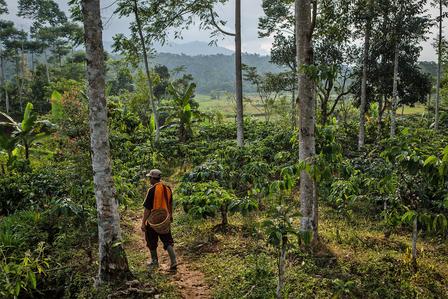
Most of Southeast Asia has a tropical and subtropical climate, characterized by high temperatures, abundant rainfall, and ample sunshine throughout the year. Its mountainous and hilly terrain provides excellent drainage, perfectly matching the growth requirements of mainstream coffee varieties such as Arabica and Robusta. Robusta coffee itself originated in tropical Africa, is heat- and humidity-tolerant, and disease-resistant, making it easy to cultivate in countries like Indonesia, Vietnam, and Laos, resulting in high yields and low costs. Vietnam, in particular, with its red soil and monsoon climate, has become the world's largest exporter of Robusta coffee.
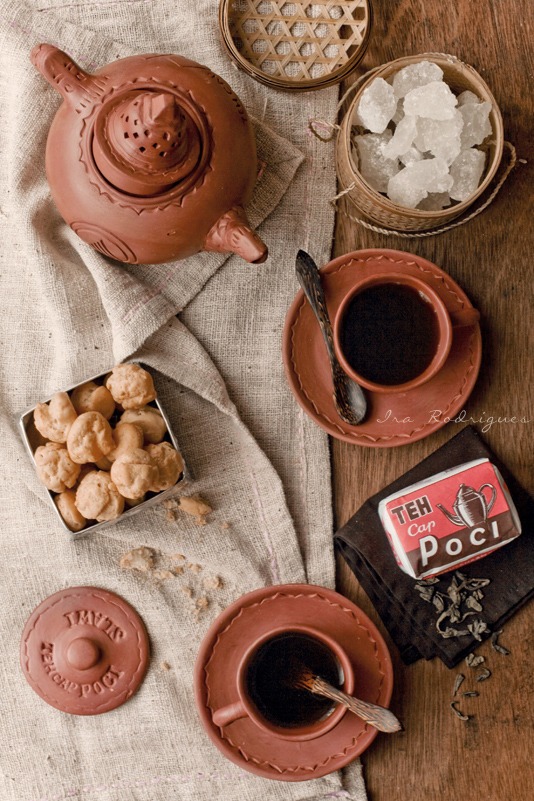
Tea trees, on the other hand, prefer an environment that is "warm but not scorching, humid but not waterlogged, and shaded by clouds and mist." They are better suited to mountainous areas with higher altitudes and greater temperature variations, and have more stringent requirements regarding soil acidity and seasonal rainfall distribution. 1. Only a few regions in Southeast Asia (such as Sumatra in Indonesia, the northern highlands of Vietnam, and Chiang Mai in northern Thailand) are suitable for large-scale tea cultivation. The overall planting area is far smaller than that of coffee, and this inherent difference in raw material supply directly impacts its popularity.
- Differences in Cultivation and Processing Barriers
Coffee cultivation and management are relatively extensive. Robusta varieties require almost no meticulous care; after harvesting, simple drying and hulling are sufficient for initial processing, making it suitable for small-scale farming or large-scale farm operations. In contrast, tea trees have a long growth cycle (leaf production begins 3-5 years after sowing), harvesting requires manual selection of tender buds, and processing involves multiple intricate steps such as fixation, rolling, fermentation, and roasting. This higher technical barrier and labor cost hinders rapid promotion.
II. Historical Colonialism: The Decisive Impact of Colonial Rule
This is the most crucial driving force. The widespread adoption of coffee in Southeast Asia is almost entirely tied to colonial history, while the spread of tea was suppressed by the colonial system:
- The Economic Orientation of Colonizers
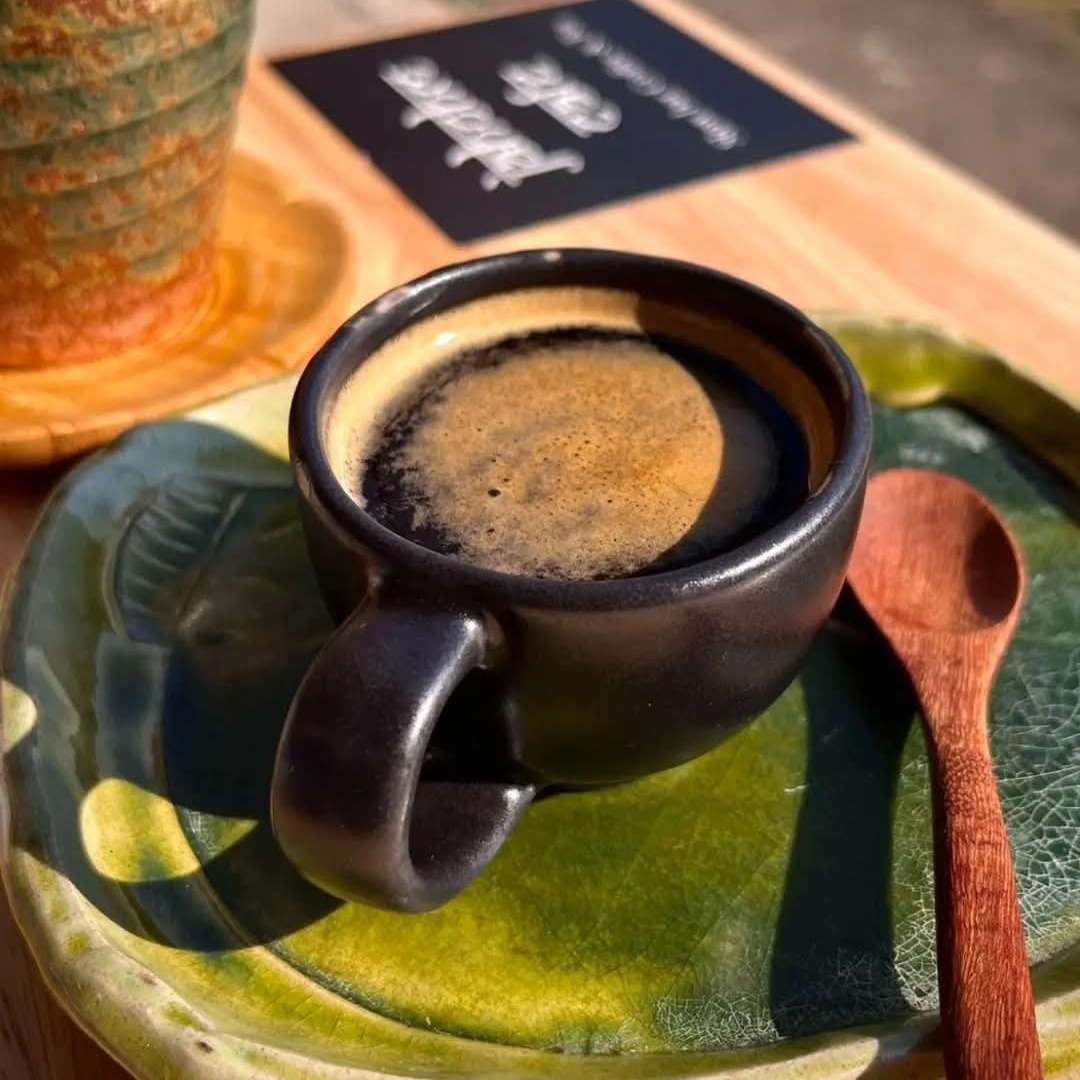
- Netherlands: After conquering Indonesia in the 17th century, the Netherlands designated it as a colonial coffee-growing region. Coffee seedlings were introduced from Africa, and local farmers were forced to cultivate them. Coffee became a core commodity in colonial trade, allowing coffee cultivation and consumption habits to take root in Indonesia.
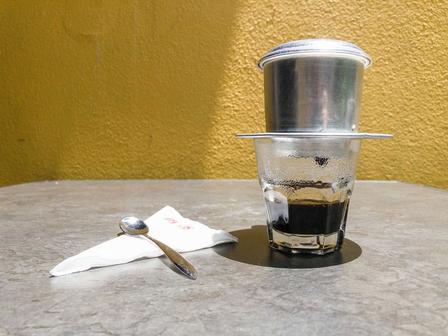
- France: In the 19th century, France controlled Vietnam, Laos, and Cambodia. Discovering that the central highlands of Vietnam were ideal for coffee cultivation, France established large-scale plantations, making coffee a pillar of the colonial economy. They also introduced French coffee culture (drip coffee) to the region, forming a drinking tradition that continues to this day.
- Britain: While colonizing Malaya and Burma, Britain experimented with tea cultivation, but primarily positioned these areas as rubber and tin mining regions, promoting coffee as a supplementary cash crop. Furthermore, Britain's tea supply chain relied heavily on India and Sri Lanka, and it did not vigorously develop the tea industry in Southeast Asia. The core logic of the colonizers was to transform Southeast Asia into a source of raw materials. Coffee, being easy to grow, high-yield, and highly profitable, received focused support; tea, however, due to limited cultivation conditions or existing supplies from other colonies, did not receive equal resources and remained marginalized for a long time.
- The Irreversibility of Cultural Implantation
The colonizers brought not only crops but also consumption scenarios: coffee shops became social and commercial centers during the colonial period, continuously reinforcing coffee consumption scenarios from cities to towns; while tea consumption was mostly traditional local practices or Chinese/Indian styles, not integrated into the mainstream public social system, resulting in much slower dissemination.

III. Economy and Trade: Coffee's Commercial Value is Easier to Unleash
- Market Demand and Profit Gap
The global coffee trade is far larger than tea. International market demand for coffee is stable and substantial. After independence, Southeast Asian countries naturally continued their coffee-growing advantages to develop their economies, making it a core export industry (Vietnam, Indonesia, and Thailand are all major coffee exporters); the international tea market is highly competitive (dominated by India, China, and Sri Lanka), and Southeast Asian tea industries lack price and scale advantages, resulting in low government and farmer investment and slow industry development. 2. Different Levels of Supply Chain Maturity
From planting, processing, and transportation to sales, Southeast Asia boasts a complete coffee supply chain: large-scale plantations, standardized processing plants, and mature export channels. Local processing technologies are constantly evolving (e.g., Vietnamese drip coffee and Indonesian civet coffee have become distinctive categories). In contrast, the tea supply chain is fragmented, mostly involving small workshops, lacking branding and standardization, making it difficult to achieve economies of scale and further limiting its widespread adoption.
IV. Culture and Consumption Habits: Path Dependence Formed by the Superposition of Habits
- Local Adaptation
After its introduction, coffee quickly integrated with local cuisine, forming localized drinking styles: Vietnamese drip coffee with condensed milk (suitable for the tropics, with a sweet taste), Thai iced coffee with coconut milk/spice, and Indonesian coffee with palm sugar. These flavors better suit Southeast Asians' preference for sweet, strong, and fragrant tastes, making them accessible and easily accepted. Traditional tea drinks, on the other hand, tend to be light and bitter, and local adaptation was slow. Initially, they were mostly consumed by the upper class or foreign groups, failing to become part of everyday life for the general public. 2. Social Interactions and Fixed Contexts
The coffeehouse culture left over from the colonial era has evolved into a lifestyle in Southeast Asia: coffee stalls are ubiquitous on the streets, and drinking coffee is a standard part of daily leisure, business, and socializing; tea is more often consumed at home, during festivals, or on specific occasions, with far less frequency and context than coffee.
It's not that tea isn't popular in Southeast Asia: Malaysia has teh tarik, Thailand has Thai milk tea, Indonesia has traditional tea, and northern Vietnam also has a tea-drinking habit influenced by Chinese tea culture. However, these tea drinks are either modified sweetened beverages (more like drinks than traditional tea) or limited to local areas, with an overall influence far less than coffee. Essentially, coffee holds an advantage across the entire supply chain—history, economy, and culture—ultimately resulting in a "coffee-centric, tea-secondary" pattern.
My analysis suggests that climate and diet also play a role. while coffee only aids digestion. Furthermore,
From my personal observations while living in the Philippines and Thailand, climate may also influence beverage preferences.
In tropical cities such as Manila and Bangkok, cold drinks are widely consumed throughout the year. I noticed that iced coffee, iced tea, soft drinks, and bottled water are often preferred over hot beverages during the hottest months.
Traditional tea culture is often associated with slower preparation methods and a more ritualized drinking experience. Coffee, by contrast, is quick to prepare, widely available, and closely integrated into modern urban lifestyles.
While climate alone cannot explain coffee's popularity, it may be one of several factors that reinforce existing historical, economic, and cultural trends.
V. Climate and Lifestyle: A Possible Additional Factor
Beyond history, economics, and culture, climate may also contribute to beverage preferences across Southeast Asia.
From my personal observations while living in both the Philippines and Thailand, cold drinks are extremely popular throughout the year. In tropical cities such as Manila and Bangkok, iced coffee, iced tea, bottled water, and soft drinks are common choices for daily consumption.
Coffee also fits well into modern urban lifestyles. It is quick to prepare, widely available from street vendors to international café chains, and closely associated with work, study, and social activities.
Tea remains an important part of Southeast Asian culture and is still widely consumed in various forms, including Thai milk tea, Malaysian teh tarik, Indonesian tea drinks, and traditional tea cultures found in parts of Vietnam and Myanmar.
However, when historical development, agricultural production, international trade, consumer habits, and modern lifestyles are considered together, coffee has gained a stronger position across much of Southeast Asia.
In short, the dominance of coffee in Southeast Asia is not the result of a single factor. Rather, it reflects the combined influence of geography, colonial history, economic incentives, cultural adaptation, and contemporary consumer behavior.
Explore More
› Why Tea Remains More Popular Than Coffee in China
› What I Learned Using Grab in Southeast Asia: More Than Just a Ride-Hailing App
› Why Coffee Culture Thrives in Southeast Asia
› Why I'll Never Buy an Airport SIM Card Again: My eSIM Journey Across Southeast Asia