Thai Food vs Filipino Food: Living in Manila and Bangkok
I lived in Manila, Philippines, for more than five years before moving to Bangkok, Thailand. Having spent significant time in both cities, I noticed many differences in food culture, ingredients, prices, and everyday dining habits.
This article is based on my personal experiences rather than a professional culinary review. Everyone's experience may differ, but these are the observations I made while living in both countries.
🛒 Grocery Shopping and Fresh Ingredients
During my years in Manila, I rarely ate out and usually cooked for myself. Most of my groceries were purchased through Grab from SM supermarkets, which was convenient and reliable.
However, compared with Bangkok, I found that supermarkets in Manila often offered a more limited variety of fresh vegetables and seafood. Many seafood products were frozen, and finding truly fresh seafood usually meant visiting a traditional wet market early in the morning.
Because of the tropical heat, many vendors finished selling their products before noon. Arriving late often meant fewer choices, especially for seafood and fresh produce.
In Bangkok, I found fresh ingredients much easier to access. Supermarkets, convenience stores, and fresh markets are available almost everywhere, making daily shopping extremely convenient.
🍜 Street Food and Dining Culture
Occasionally, I would try local Filipino food while walking around the city. Fried chicken and lechon (roast suckling pig) are among the most popular dishes, and many Filipinos enjoy sour soups such as sinigang.
One cultural difference I noticed was that some Filipinos traditionally eat with their hands, especially during casual meals and family gatherings. This practice is perfectly normal in the Philippines and reflects local dining traditions.
In contrast, I rarely saw people eating with their hands in Bangkok. Most Thais use spoons and forks regardless of age or social background.
Thailand also offers a much larger variety of street food. From grilled meats and noodles to curries and desserts, Bangkok's food scene feels more diverse and accessible.
💰 Food Prices and Convenience
Based on my personal experience, eating out in the Philippines often felt more expensive than in Thailand, particularly when it came to seafood.
Bangkok's street food is generally affordable, widely available, and easy to find in almost every neighborhood. Food courts, local markets, and roadside vendors provide many options at reasonable prices.
Thailand's cold-chain logistics and food distribution systems also appear highly developed. Major retail chains such as 7-Eleven, Big C, and Lotus help ensure convenient access to food and household products throughout the city.
🌶️ Flavors and Seasonings
Thai cuisine is known for balancing four primary flavors: spicy, sour, sweet, and salty.
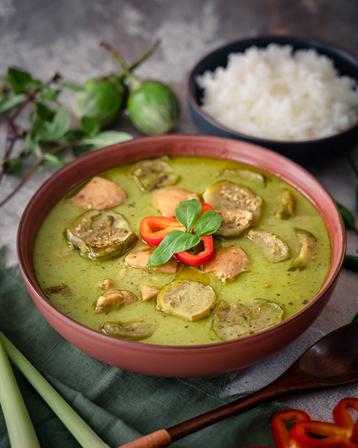
Common ingredients include fish sauce, coconut milk, chili peppers, lemongrass, galangal, kaffir lime leaves, Thai basil, and curry pastes. The result is a cuisine that is vibrant, aromatic, and layered with complex flavors.
Filipino cuisine tends to emphasize sour, salty, and sweet flavors, while spicy food is generally less common.
Common ingredients include vinegar, soy sauce, garlic, onion, tamarind, calamansi, shrimp paste, and coconut milk. The overall flavor profile often feels richer and more comforting, with stronger influences from fermentation, slow cooking, and savory sauces.
🍳 Cooking Methods
Thai cooking commonly features stir-frying, grilling, steaming, boiling, fresh salads, and curry-based dishes. Meals are often prepared quickly and make extensive use of fresh herbs.
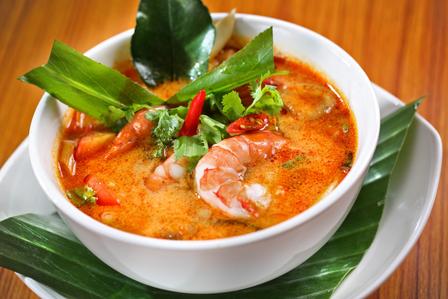
Popular Thai dishes include Tom Yum Goong, Pad Thai, Green Curry, Red Curry, Som Tam, and Moo Ping.
Filipino cooking often focuses on stewing, braising, simmering, marinating, deep-frying, and grilling. Long cooking times allow flavors to penetrate deeply into the meat and sauces.
Popular Filipino dishes include Adobo, Sinigang, Kare-Kare, Lechon, and Pancit.
🥥 Staple Foods and Ingredients
Thai meals are typically served with jasmine rice, which is fluffy and fragrant.
Other common ingredients include coconut milk, fresh seafood, tropical fruits, fresh herbs, and leafy vegetables. Vegetables are often lightly cooked or even eaten fresh.
Rice is also the foundation of Filipino cuisine, although it is often softer and stickier than Thai jasmine rice.
Other common ingredients include pork, chicken, beef, offal, cassava, and rice noodles. Filipino cuisine also reflects centuries of Spanish and Chinese influence through dishes such as noodles, spring rolls, sausages, and roasted meats.
🍰 Desserts
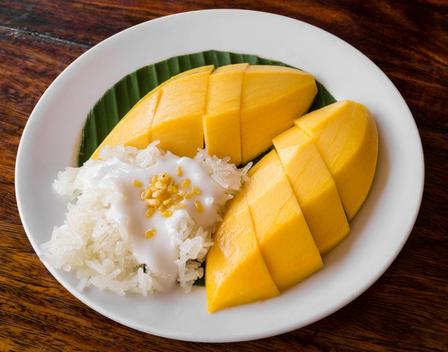
Thai desserts often focus on coconut milk, glutinous rice, and tropical fruits.
Popular examples include Mango Sticky Rice, Tub Tim Krob, and Coconut Jelly. These desserts are generally light and refreshing.
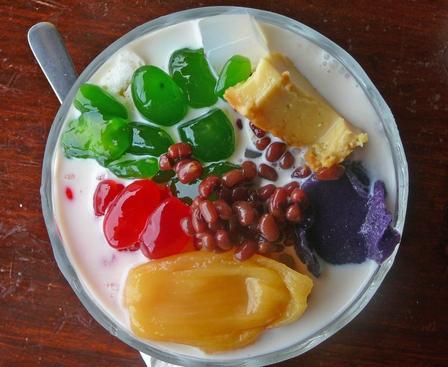
Filipino desserts tend to be sweeter and richer.
Popular examples include Halo-Halo, Bibingka, and coconut-based puddings. Many desserts combine shaved ice, beans, jellies, fruits, and condensed milk.
🌍 Cultural Influences
Thai cuisine developed primarily from local traditions, with some influence from neighboring countries, India, and Chinese migration.
Filipino cuisine reflects a unique combination of indigenous traditions alongside more than three centuries of Spanish influence, as well as Chinese and American cultural contributions.
As a result, Filipino food often feels more fusion-oriented, while Thai cuisine maintains a highly distinctive spice and herb tradition.
🥩 One Thing I Miss About the Philippines: Beef
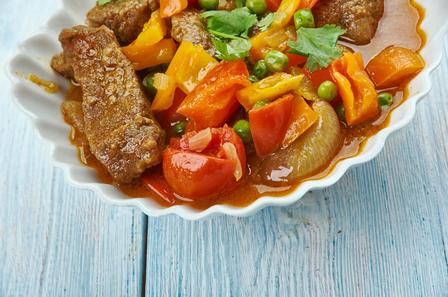
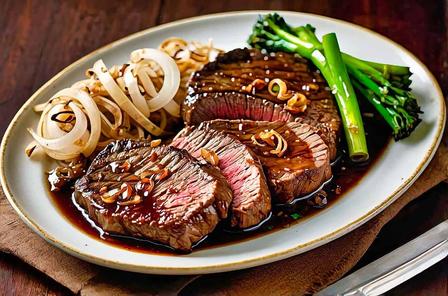
One thing I genuinely miss from the Philippines is the affordability of beef.
Fresh beef was widely available in local markets, and many restaurants served excellent slow-cooked beef dishes. Local chefs were particularly skilled at preparing tender braised beef, which quickly became one of my favorite foods.
I often bought several kilograms of fresh beef, braised it at home, and stored it in the refrigerator. Later, I would slice it thinly and use it in homemade noodle dishes.
In Bangkok, beef is generally more expensive and less commonly found in smaller neighborhood markets. Pork and chicken are far more common choices for everyday cooking.
🥬 Fresh Produce and Daily Living
Thailand's agricultural sector is highly developed, providing consumers with a wide variety of vegetables and fruits at relatively affordable prices.
In the Philippines, some locally grown vegetables such as eggplants and green beans are reasonably priced, but overall selection often felt more limited, especially in urban supermarkets.
The availability and affordability of fresh ingredients significantly influence daily life, especially for people who cook regularly at home.
✈️ Final Thoughts
After living in both Manila and Bangkok, I came to appreciate the strengths of each food culture.
Thai cuisine offers greater variety, stronger flavors, and easier access to fresh ingredients. Filipino cuisine, on the other hand, feels more comforting and home-style, with excellent beef dishes and a unique blend of Spanish, Chinese, and local influences.
Neither cuisine is better than the other. They are simply different reflections of each country's history, geography, and cultural development.
For travelers and food enthusiasts, experiencing both cuisines is one of the most enjoyable ways to understand Southeast Asia's remarkable diversity.
Explore More
› I Built vanilla-svg-chart at 4 AM in Bangkok: A Tiny SVG Chart Library Without Dependencies
› Why Do Thai People Eat Outside So Often? Understanding Thailand's Unique Food Culture
› Why Are Bangkok Night Markets So Popular? Exploring the Culture, Food, and Economy