My Favorite Android Phones: Why Pixel and Nothing Represent the True Android Experience
Android has always been closely connected with Linux.
The Android operating system is built on the Linux kernel, and the underlying architecture is designed for efficiency, flexibility, and scalability.
From my experience, Android itself is not the reason why some phones become slow or unstable.
The real problem is usually the customized software ecosystem created by different manufacturers.
Android Is Not the Problem
Many users complain that Android phones become slower over time.
However, the issue is often not the Android system itself.
Linux-based systems are very powerful when it comes to:
- Memory management
- File systems
- Caching mechanisms
- Background process control
A properly optimized Android system can run smoothly for many years.
The difference comes from how manufacturers modify Android.
The Problem With Heavily Customized Android Systems
Many smartphone manufacturers add their own:
- Application stores
- System services
- Advertising platforms
- Background management tools
- Pre-installed applications
The original purpose of a smartphone is to be a personal tool for communication, work, and daily life.
However, excessive customization can sometimes make the device feel more like a platform for services and advertisements.
Common problems include:
- Too many pre-installed apps
- Aggressive notifications
- Unnecessary background services
- Duplicate application stores
- Large software packages
These changes can affect:
- Battery life
- Storage space
- Performance
- User experience
Google Play Store, compared with many customized ecosystems, provides a cleaner and more unified application distribution environment.
The official Android ecosystem is already quite mature.
Google Pixel: The Pure Android Experience
Among Android phones, my favorite series is Google Pixel.
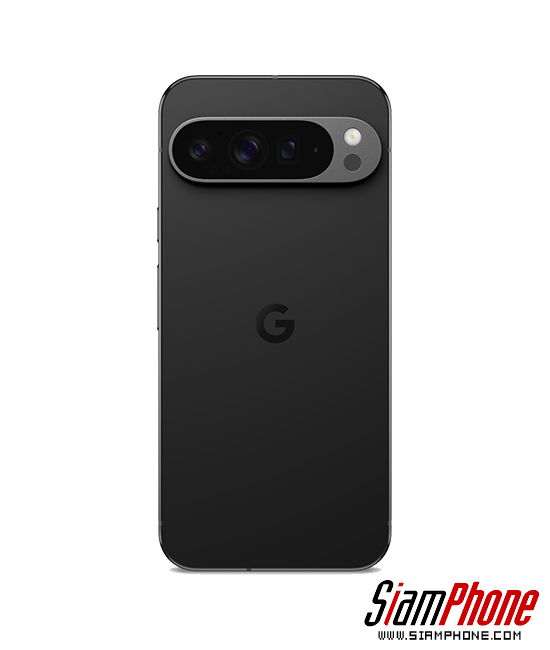
Pixel represents Google's own vision of Android.
The biggest advantages are:
- Clean Android system
- Fast software updates
- Minimal unnecessary applications
- Deep Google service integration
- Excellent AI features
Because Google controls both Android development and Pixel software optimization, the user experience is very close to the original Android philosophy.
In many ways, Pixel is similar to using a reference Linux distribution.
It provides the standard experience without too many additional modifications.
Google's AI capabilities are also one of Pixel's strongest advantages.
With Google's own models and services, Pixel can provide advanced features without adding unnecessary system complexity.
Pixel's Hardware Limitations
Pixel is not perfect.
It has some limitations:
- Charging speed is not the fastest
- Battery capacity is not always competitive
- Signal performance may vary depending on region
For users living in tropical regions such as Southeast Asia, heat management is especially important.
During very hot weather, high temperatures can affect:
- Battery performance
- Network stability
- Device temperature
The processor choice also matters.
Different chip manufacturers have different thermal characteristics.
A phone that works perfectly in a cool environment may face more challenges in a hot climate.
However, Google's software optimization remains one of the strongest advantages in the Android market.
Nothing Phone: The Closest Alternative to Pixel
Besides Pixel, another Android phone series that provides a clean experience is Nothing.
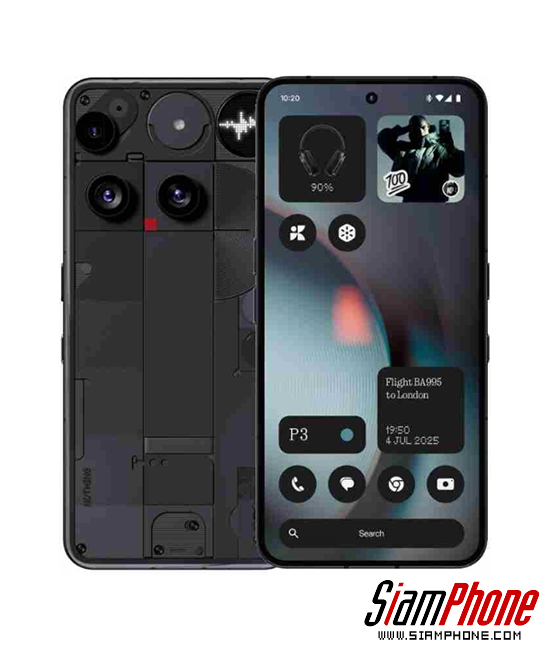
Nothing follows a similar philosophy:
- Clean Android
- Minimal system modifications
- Simple design
- Less unnecessary software
For users who want a Pixel-like experience but prefer stronger hardware specifications, Nothing Phone is an interesting choice.
The advantages include:
- Clean software environment
- Good performance
- Modern hardware
- Fast charging
- Good development support
Nothing also focuses on long-term software support, which makes it attractive for users who want to keep their phones for several years.
Why Developers Like Pixel and Nothing
For Android developers, a clean system environment is extremely important.
When testing applications, developers need:
- Reliable USB debugging
- Stable ADB connection
- Predictable background behavior
- Fewer system restrictions
Some customized Android systems introduce additional battery management rules.
These features may be helpful for ordinary users, but they can become frustrating during development.
For example:
- Background processes may be stopped
- Debugging connections may disconnect
- Applications may be restricted unexpectedly
A developer environment should prioritize reliability.
Pixel and Nothing provide a much cleaner experience for development work.
When combined with Linux desktop environments such as:
- GNOME
- KDE
the workflow becomes very smooth.
ADB debugging, application testing, and development tools work naturally.
Pixel and Nothing Compared With Linux Distributions
I think there is an interesting comparison between Android phones and Linux distributions.
Pixel is similar to:
Red Hat Enterprise Linux (RHEL)
It represents the official standard experience.
It focuses on:
Stability
Reliability
Official support
Nothing is similar to:
AlmaLinux
It provides:
A clean experience
High compatibility
More flexibility
No unnecessary restrictions
Both are close to the original philosophy.
The goal is not to add more features.
The goal is to provide a system that respects users.
The Android Philosophy: Simplicity and Freedom
The best technology is often not the one with the most features.
It is the one that stays out of the user's way.
A good operating system should:
Work reliably
Respect user choices
Avoid unnecessary interruptions
Provide freedom for advanced users
This is the same philosophy that attracts many people to Linux.
Android has the potential to be an excellent open platform.
The hardware may differ between manufacturers, but the software experience determines how enjoyable a device becomes.
Final Thoughts
For me, the best Android phones currently represent two different choices:
Google Pixel:
Pure Android
Official Google experience
Strong software optimization
Nothing Phone:
Clean Android experience
Excellent hardware balance
Developer-friendly environment
Both phones represent the original spirit of Android:
Simple, clean, and flexible.
For users who understand Linux, development, and system customization, these devices provide an experience that is difficult to replace.
Explore More
› Escape the Bloatware Trap: Why an International Android Phone is Your Only Choice for True Freedom
› My Favorite Linux Distributions: RHEL, AlmaLinux, and Fedora from a Developer's Perspective
› Installing Google Camera on Nothing Phone 3: GCam Optimization Guide for Better Photos
› Chang vs Leo vs Singha: My Personal Experience with Thailand's Most Popular Beers
› Why I'll Never Buy an Airport SIM Card Again: My eSIM Journey Across Southeast Asia
› My First Week Living in Bangkok: Excitement, Confusion, and Lessons I Didn't Expect
› My First Condo in Bangkok: How It Was Completely Different From the One I Had in the Philippines