Why Tea Remains More Popular Than Coffee in China
The Chinese preference for tea over coffee is the result of a long-term interplay of factors, including history, culture, lifestyle, health awareness, and social environment. Specifically, it can be examined from the following perspectives:
I. Historical Origins: The Origin and Long-Term Development of Tea
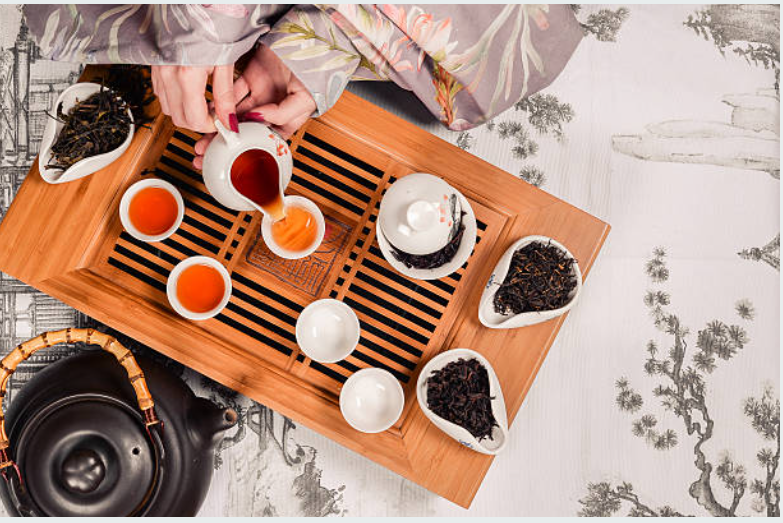
- Tea originated in China, dating back to ancient times. From its medicinal and sacrificial uses, it gradually evolved into a daily beverage, deeply integrated into all aspects of social life over thousands of years. From the tea ceremony of the Tang Dynasty and the whisked tea of the Song Dynasty to the loose-leaf tea brewing of the Ming and Qing Dynasties, a complete and continuous drinking system and cultural context have been formed.
- Coffee is not an original Chinese beverage. It was introduced relatively late, only gradually entering the country in modern times. Early on, its popularity was largely limited to treaty ports, concessions, or specific social classes, resulting in a short period of widespread adoption and a lack of deep historical roots and a nationwide drinking tradition.
II. Cultural Connotation: The Spiritual and Social Values of Tea
- Spiritual Sustaining: Tea is imbued with rich connotations in Chinese culture, regarded as a symbol of elegance, peace, and restraint, aligning with Confucianism's doctrine of the mean, Taoism's naturalness, and Buddhism's Zen philosophy. Literati and scholars used tea for self-cultivation, friendship, and creation, leaving behind a wealth of poetry, calligraphy, and paintings, elevating tea beyond a mere beverage to a cultural symbol and spiritual carrier. Coffee, when introduced, did not achieve this cultural accumulation and spiritual connection.
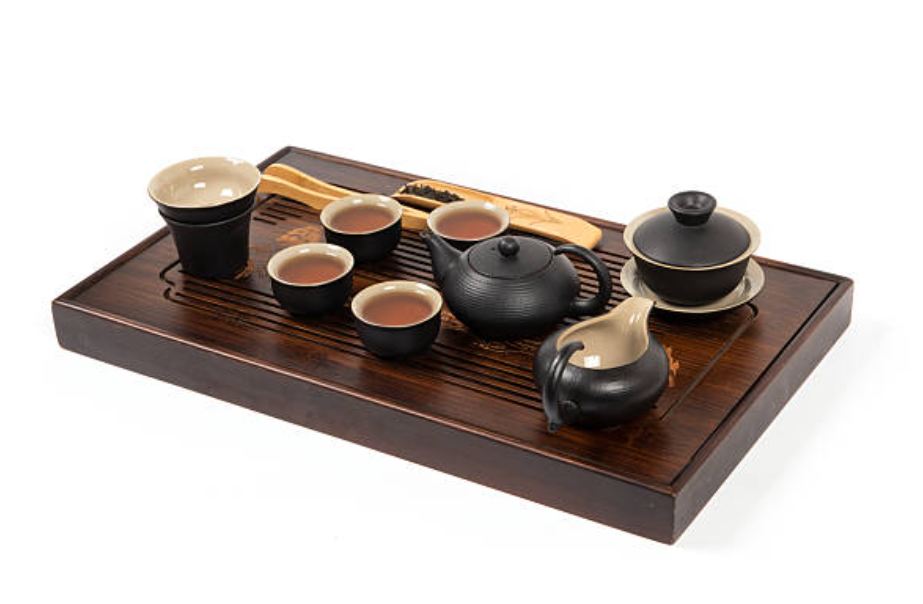
- Social Interactions and Etiquette: Serving tea to guests is a fundamental Chinese etiquette practiced for millennia. From family gatherings to entertaining visitors, business negotiations, and family reunions, tea has always been an important medium. The leisurely pace of tea drinking is suitable for in-depth conversations, aligning with the reserved and relationship-oriented social habits of the Chinese. Coffee drinking initially leaned towards casual, Western-style social interactions, lacking a corresponding etiquette system in its tradition.
- Cultural Identity: Tea has long been a hallmark of Chinese culture. Drinking tea often represents an identification with and inheritance of one's own cultural traditions. This collective cultural memory makes tea's position difficult for the foreign influence of coffee to challenge. ### III. Suitability with Lifestyle and Diet
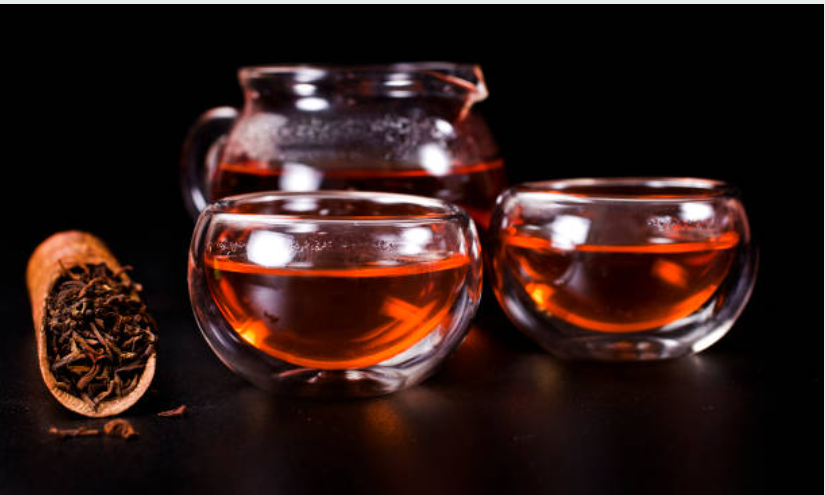
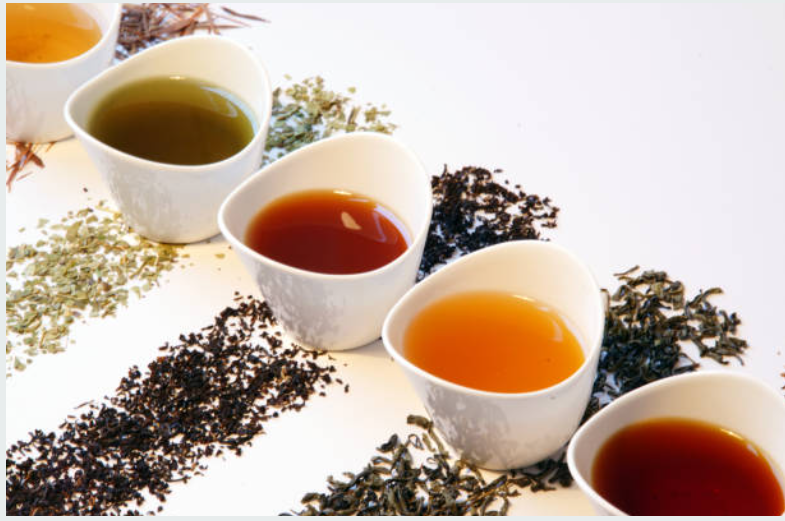
- Matching Dietary Habits: Chinese cuisine is rich and diverse, with numerous tea varieties (green tea, black tea, oolong tea, white tea, etc.). Different teas can be paired with different dishes, helping to cut through greasiness, enhance flavor, and aid digestion, making them highly compatible with daily diets. Coffee, on the other hand, has a lower compatibility with traditional Chinese cuisine and is more often consumed as a standalone beverage.
- Flexible Drinking Scenarios: Tea is easy to brew, with various equipment options, suitable for both individual enjoyment and sharing with others, making it suitable for various scenarios such as home, office, and travel. Coffee preparation is relatively complex, initially requiring more sophisticated equipment and conditions, thus increasing its accessibility.
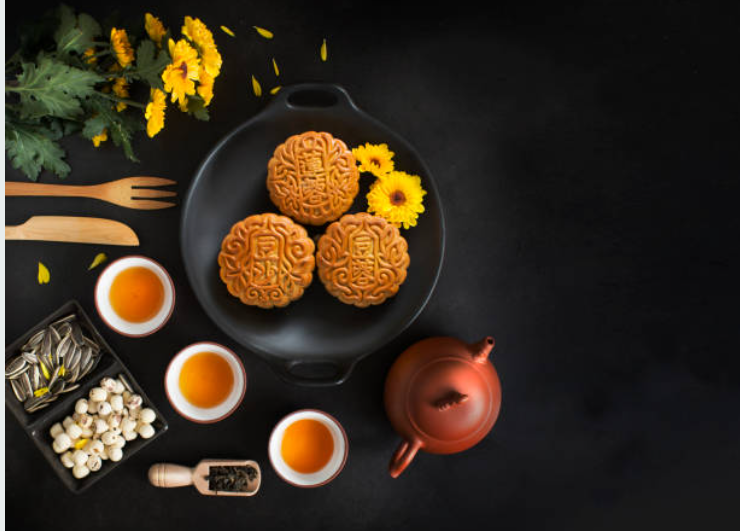
- Matching Drinking Pace: Chinese lifestyles tend to be leisurely and peaceful. Tea's mild characteristics (low caffeine content, weak stimulation) make it suitable for long-term, frequent consumption, aligning with the habit of slow drinking. Coffee, being more stimulating, is often used as a pick-me-up, and its consumption is more concentrated, making it less likely to become a mainstream beverage throughout the day.
IV. Differences in Health Perceptions and Concepts
- Traditional Chinese medicine believes that tea has effects such as clearing heat, detoxifying, aiding digestion, and nourishing life. Different types of tea also have corresponding health benefits. This understanding has been passed down through generations, making tea drinking a healthy lifestyle. Coffee, on the other hand, is traditionally considered highly stimulating and prone to causing internal heat, with some people worrying about its impact on sleep and digestion, leading to differences in acceptance.
- In modern times, tea's natural and mild properties better align with the public's preference for healthy drinks. While the health value of coffee is gradually being recognized, long-standing preconceived notions still have an influence.
This preference is not absolute. With the development of the times and cultural exchange, coffee's acceptance and popularity in China are increasing, especially among young people and urban dwellers. The drinking scenarios for the two drinks are also gradually diverging (e.g., tea is more associated with traditional social interaction and health maintenance, while coffee is more associated with alertness and relaxation). However, from an overall and traditional perspective, tea's mainstream status is still determined by the aforementioned long-term factors.
Most middle-aged and elderly people in China still prefer tea, mainly because China has a complete set of tea-making processes and techniques. From ceramic firing and teaware production to tea cultivation and processing, all have a very long history. Coffee is not as widespread, and it's only grown in Yunnan.
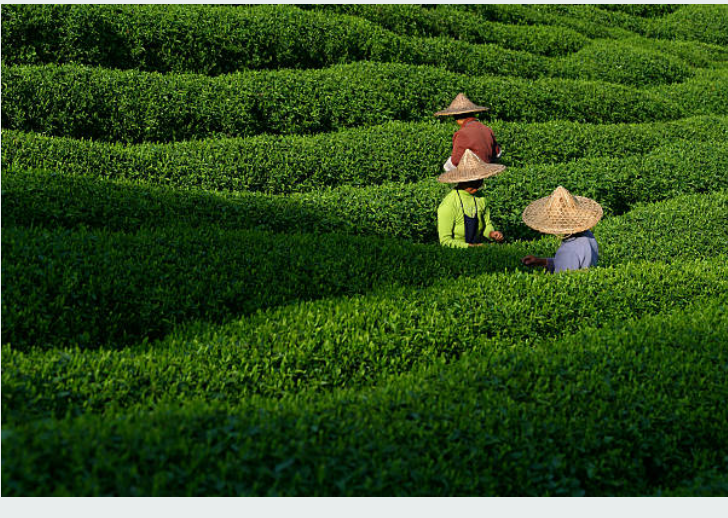
Tea is produced throughout the country, with extensive tea-growing areas in both the north and south. This large-scale cultivation makes it relatively affordable. Coffee production is insufficient, naturally making it more expensive than tea.
Tea has become an integral part of daily leisure time.
Southerners have a habit of drinking tea in the morning and afternoon, while northerners drink tea after meals. Many Chinese people believe that tea helps balance rich or oily meals. After eating hot pot, barbecue, or heavily seasoned dishes, it is common to drink tea as part of the dining experience. Whether this effect is physiological or cultural, the association between tea and digestion remains deeply rooted in Chinese daily life., with many dishes containing high levels of oil and salt, making it difficult to digest without tea.
Tea is also needed to keep warm in cold weather. Additionally, tea can detoxify and regulate the body and mind, especially beneficial for those who work long hours in front of computer screens; drinking tea can not only refresh the mind but also protect the eyes.
Chinese tea is also divided into different types due to the climate of different regions. Each type of tea has different therapeutic effects, and drinking tea regularly can indeed have a health-preserving effect for some tea lovers.
Explore More
› Why Coffee Is More Popular Than Tea in Southeast Asia
› My First Visa Extension in Thailand: An Unexpected Delay That Cost Me More Than I Planned
› What I Learned Using Grab in Southeast Asia: More Than Just a Ride-Hailing App