My Experience Living in the Philippines: Beyond Manila, Davao, and the Reality of Daily Life
When people talk about the Philippines, most foreigners immediately think of Manila.
This is understandable.
Manila is the country's capital, economic center, and one of the most important cities in Southeast Asia. It is where many international companies, government institutions, shopping centers, and foreign communities are located.
However, after spending a long time in Southeast Asia, I gradually realized that Manila does not represent the entire Philippines.
The Philippines is a country with many different faces.
There is the busy and crowded Manila, the peaceful mountain city of Baguio, the business districts full of modern buildings, and the thousands of islands with beaches and natural landscapes.
My experience living in the Philippines taught me that understanding this country requires looking beyond the capital city.
This article is not a tourist guide.
It is my personal observation after experiencing daily life in the Philippines as a foreign resident.
Manila: The Economic Center but Not Always the Easiest Place to Live
Manila has many advantages.
As the capital region, it provides:
- International transportation connections
- Large shopping malls
- Business opportunities
- Foreign communities
- English-friendly communication
For many foreigners arriving in the Philippines, Manila is the first stop.
However, long-term living is different from short-term travel.
After living there, I noticed that daily life in Manila can sometimes be challenging.
The biggest issues are not always obvious to tourists.
They appear in small daily details:
- Traffic congestion
- Food price differences
- Urban planning challenges
- Infrastructure limitations
- Administrative procedures
These small problems accumulate over time and can affect the overall living experience.
Compared with Thailand, especially Bangkok, I personally feel that Manila still has some areas where daily convenience and urban management could improve.
Bangkok has spent many years developing systems around foreigners' daily needs, while Manila still feels more uneven depending on the area.
The Daily Reality of Living in Manila
One thing I learned from living abroad is that a city can look completely different depending on whether you are a tourist or a resident.
Tourists usually see:
- Hotels
- Shopping malls
- Tourist attractions
- Restaurants
But residents experience:
- Grocery shopping
- Transportation every day
- Rental issues
- Utility costs
- Local services
This is where the difference appears.
For example, food costs in Manila can be surprising.
Many foreigners expect the Philippines to be extremely cheap, but daily expenses depend heavily on lifestyle.
Some products are affordable, while others can be more expensive than expected.
Vegetables, in particular, are something I noticed.
Compared with Thailand, fresh vegetables in Manila are often less affordable, especially for people who prefer cooking healthy meals regularly.
Why Are Vegetables More Expensive in Manila?
One thing that surprised me during my time in the Philippines was the price of fresh vegetables.
At first, I wondered why a tropical country with plenty of agricultural land could still have relatively expensive vegetables in major cities.
Later, I realized that the issue was not simply about farming.
The challenge is the connection between agricultural areas and urban markets.
For example, Baguio and nearby mountain areas have a cooler climate and are famous for vegetable production.
The region is suitable for growing:
- Lettuce
- Carrots
- Cabbage
- Other fresh vegetables
However, transportation remains a major challenge.
The distance itself is not the biggest problem.
The bigger issue is:
- Road conditions
- Logistics efficiency
- Transportation costs
- Supply chain management
When products travel long distances through difficult routes, the final price naturally increases.
This is one of the reasons why vegetables can become surprisingly expensive in Manila.
From a consumer perspective, it feels strange because the Philippines has abundant natural resources.
But from a logistics perspective, geography and infrastructure play a huge role.
Different Countries Have Different Development Paths
Living abroad also taught me that every country develops differently.
Sometimes outsiders look at a problem and immediately think:
"Why don't they simply fix it?"
But real-world situations are much more complicated.
Infrastructure, agriculture, business interests, government policies, and local communities are all connected.
A solution that looks simple from the outside may involve many different interests and challenges.
This is something I gradually understood after living in Southeast Asia.
Countries are not just machines that can be changed overnight.
They are complex societies with their own history, culture, and economic systems.
Manila Compared With Bangkok: Two Different Urban Experiences
When comparing Manila and Bangkok, I personally feel the biggest difference is daily convenience.
Bangkok has developed a very complete urban ecosystem:
- Public transportation
- Convenience stores
- Shopping centers
- International services
- Foreign-friendly businesses
Many daily problems can be solved quickly.
Manila also has modern areas, especially business districts such as Makati and Bonifacio Global City (BGC).
However, the experience can change dramatically depending on the neighborhood.
One area may have modern buildings, international restaurants, and excellent services.
Another area may struggle with traffic, infrastructure, and public facilities.
This contrast is one of Manila's most noticeable characteristics.
Why Davao Left a Strong Impression on Me
Although Manila is the most famous city in the Philippines, it is not necessarily my favorite place in the country.
The city that impressed me the most was Davao.
Many foreigners overlook Davao because it does not receive the same international attention as Manila, Cebu, or Boracay.
However, from my personal perspective, Davao has many advantages for long-term living.
The city feels more relaxed.
Daily life is slower compared with Manila, but still has enough modern facilities.
For someone looking for a long-term base rather than a short tourist visit, this difference is important.
Davao: A More Comfortable Long-Term Living Option
The reasons I like Davao include:
- A more relaxed urban environment
- Better connection with nature
- More affordable local products
- Fresh fruits and seafood
- Less overwhelming traffic compared with Manila
One of the biggest advantages is the connection with natural resources.
Davao is surrounded by agricultural areas and has access to:
- Fresh fruits
- Seafood
- Local produce
Compared with Manila, daily food experiences can feel much more connected to local agriculture.
For people who enjoy a slower lifestyle, Davao offers a very different experience from the capital.
Davao: A Different Side of the Philippines
One reason Davao attracted my attention is that it feels very different from Manila.
Manila is the center of business, politics, and international activity.
Davao feels more like a city designed for daily life.
It has:
- More relaxed urban rhythms
- Easier access to nature
- Fresh local products
- A lower level of daily stress
Of course, no city is perfect.
Davao is still a tropical city, which means the weather can be hot and humid.
Air conditioning is almost necessary for many foreigners who are not used to Southeast Asian weather.
However, the overall living experience feels more balanced.
For people who value:
- Safety
- Fresh food
- Space
- A slower lifestyle
Davao can be a very attractive option.
Why Davao Is Often Considered More Comfortable for Long-Term Residents
Many foreigners only consider Manila when they think about living in the Philippines.
But after experiencing different parts of the country, I believe smaller cities sometimes provide a better quality of life.
Davao is a good example.
It combines:
- Urban convenience
- Natural surroundings
- Agricultural resources
- A calmer atmosphere
You can enjoy city services while still being close to beaches, mountains, and nature.
This balance is difficult to find in many large metropolitan areas.
The Beauty of the Philippines Is Beyond the Cities
One of the biggest reasons people fall in love with the Philippines is not its cities.
It is the islands.
The Philippines has thousands of islands, and many places still maintain incredible natural beauty.
For many foreigners, the real Philippines begins when they leave the major cities.
The beaches, small coastal communities, and island lifestyle create a completely different atmosphere.
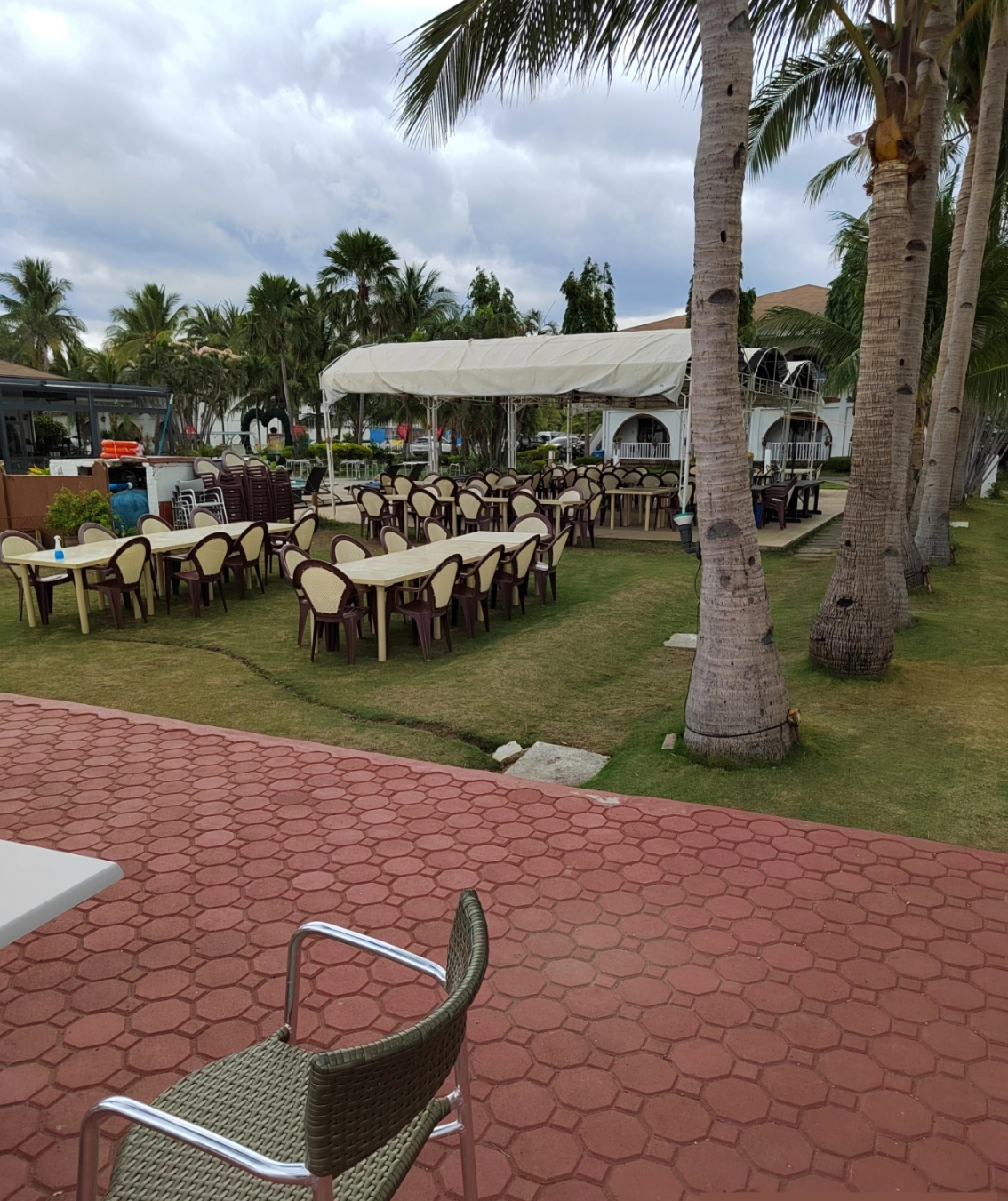
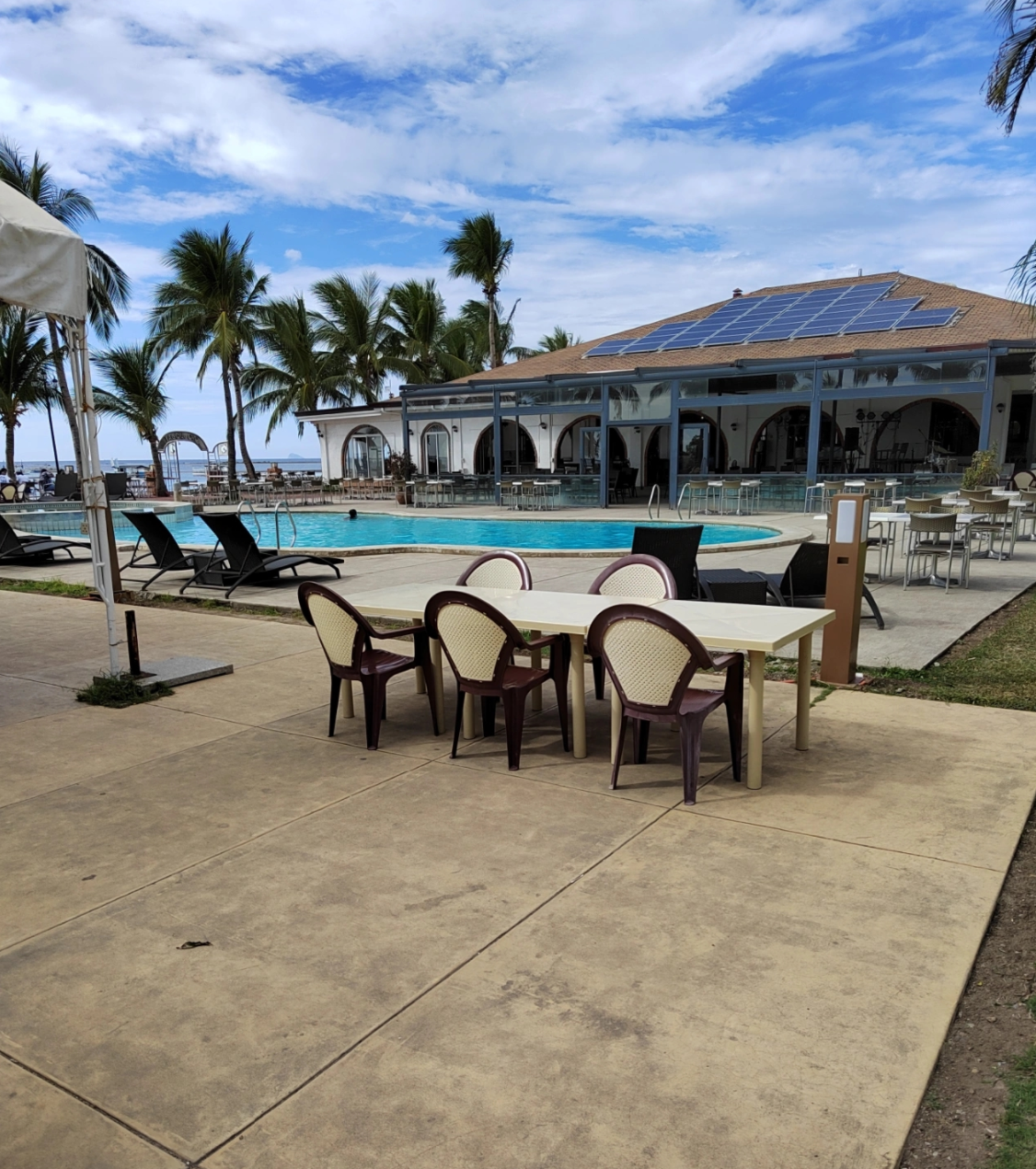
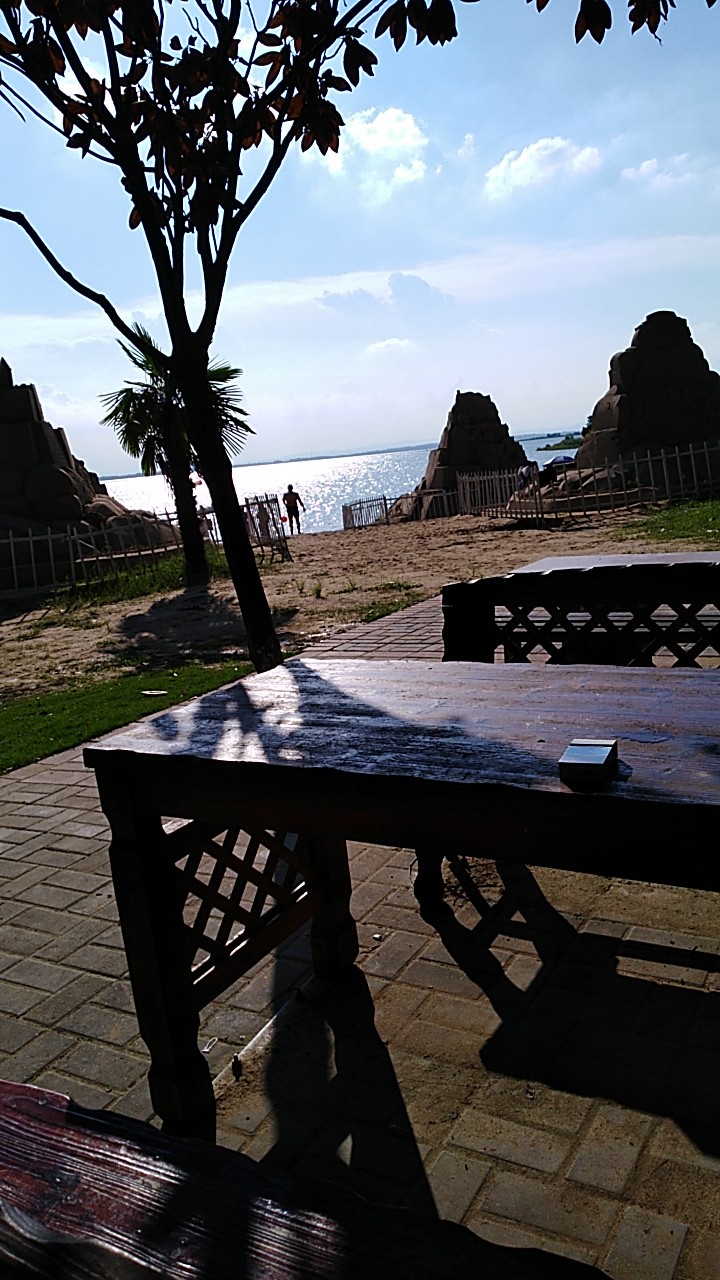
These experiences are difficult to replace.
Sitting near the ocean, watching sunsets, and seeing stars at night creates a kind of peaceful feeling that many large cities cannot provide.
This is one of the reasons I would still consider returning to the Philippines for long-term living in the future.
The Unique Advantages of the Philippines
Although the Philippines has challenges, it also has many qualities that make it special.
English Communication
One major advantage is language.
Compared with many Southeast Asian countries, English communication is much easier.
For foreigners, this changes daily life significantly.
Simple things become easier:
- Asking questions
- Making friends
- Handling services
- Building relationships
This is one reason why many foreigners feel comfortable spending extended time in the Philippines.
Filipino Hospitality and Social Culture
Another memorable part of the Philippines is the people.
In my experience, many Filipinos are naturally friendly and open.
They often value:
- Family relationships
- Social connections
- Enjoying daily life
The lifestyle can feel less stressful compared with some highly competitive societies.
People may not always focus only on work and achievement.
Sometimes they simply enjoy spending time with family, friends, and communities.
This social atmosphere is something many foreigners appreciate.
Living Abroad: Understanding Local Rules and Reality
One of the biggest lessons I learned from living overseas is that every country has its own way of operating.
When you live in another country, you are not only dealing with different languages and cultures.
You are also entering a different social and economic environment.
Foreigners sometimes expect things to work exactly like their home country.
However, every place has its own:
- Business culture
- Government processes
- Social expectations
- Local rules
Understanding this reality makes overseas life much easier.
You may not agree with everything, but learning how the local system works is part of adapting.
Foreigners and Business Opportunities in the Philippines
The Philippines has always attracted many foreign residents because of its:
- English environment
- Young population
- Tourism potential
- Business opportunities
Many foreigners come here to work, start businesses, or build a new life.
However, doing business abroad requires patience.
Foreigners need to understand local regulations, relationships, and business practices.
The experience can be very different from doing business in their home countries.
Some people succeed because they adapt well.
Others struggle because they underestimate the complexity of operating in a different environment.
The Relationship Between Foreigners and Local Communities
Long-term living abroad is not only about money or convenience.
It is also about relationships.
A foreigner who respects local culture, communicates politely, and contributes positively to the community usually has a much better experience.
The Philippines is a country where personal relationships matter.
Building trust often takes time.
This is true everywhere in the world, not only in the Philippines.
The Philippines Compared With Thailand
After experiencing both Thailand and the Philippines, I feel that they offer completely different lifestyles.
Thailand, especially Bangkok, is more developed in terms of:
- Transportation systems
- Urban convenience
- Public services
- Foreign resident infrastructure
For digital nomads and remote workers, Bangkok is currently one of the easiest cities in Southeast Asia.
The Philippines has different advantages:
- English communication
- Beautiful islands
- Strong social connections
- Unique cultural experiences
Thailand feels more organized.
The Philippines feels more spontaneous and adventurous.
Neither is absolutely better.
They simply attract different types of people.
Would I Return to the Philippines Again?
Yes.
Despite all the challenges, I still have a special connection with the Philippines.
A country is never only about problems.
It is also about memories, people, landscapes, and personal experiences.
The Philippines has given me many unforgettable moments:
- Beautiful islands
- Friendly people
- Unique cultural experiences
- A different way of seeing life
For someone who wants a highly efficient and predictable environment, the Philippines may sometimes feel challenging.
But for someone who enjoys exploration, human connections, and discovering a different lifestyle, the Philippines has a special charm.
Final Thoughts
After spending time in the Philippines, I realized that this country cannot be judged only by Manila.
Manila represents one side of the Philippines:
- Business
- Politics
- International connections
But beyond Manila, there is another Philippines:
- Davao's relaxed lifestyle
- Mountain cities with cooler climates
- Thousands of islands
- Local communities
- Natural landscapes
Every country has strengths and weaknesses.
The Philippines has challenges, but it also has something many places have lost:
A strong sense of human connection and natural beauty.
For me, the biggest lesson from living abroad is simple:
Do not only look at a country from the outside.
Live there.
Experience the ordinary days.
Talk to local people.
Understand the reality.
Only then can you truly understand a place.
The Philippines is not perfect.
But it is a country that leaves a lasting impression.
Explore More
› My Favorite Android Phones: Why Pixel and Nothing Represent the True Android Experience
› My Favorite Linux Distributions: RHEL, AlmaLinux, and Fedora from a Developer's Perspective
› My Open Source Project: pwa Development Notes
› My First Impression of Kuala Lumpur: A Foreigner's Journey Through Malaysia, Culture, and Daily Life
› Five Years in Manila: How the Pandemic Changed My Life Overseas
› My First Week Living in Bangkok: Excitement, Confusion, and Lessons I Didn't Expect
› My First Condo in Bangkok: How It Was Completely Different From the One I Had in the Philippines